
The Dutch Sapphire Parure Tiara - Queen Maxima
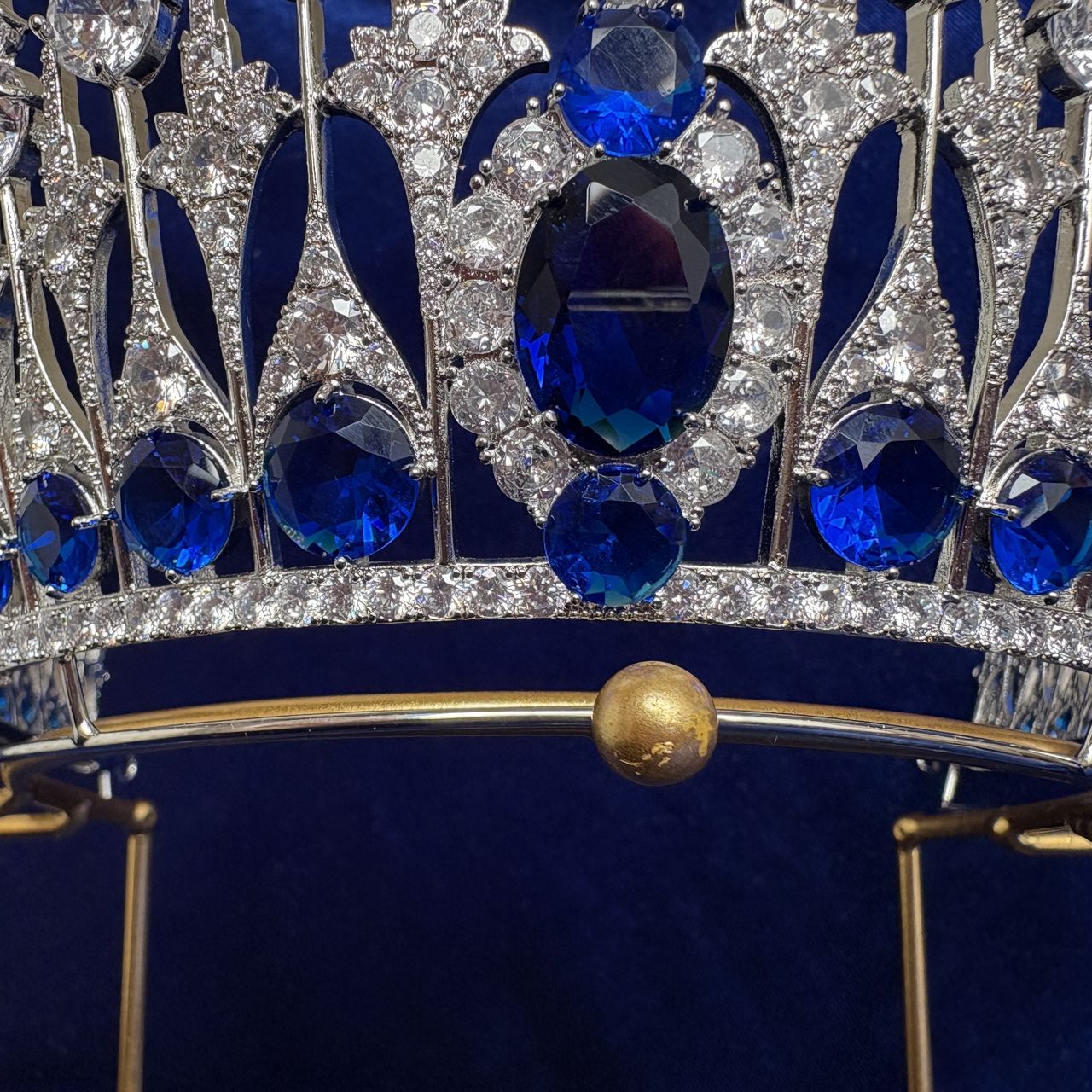
Fine Royal ReproductionsThe Dutch Sapphire Parure Tiara is a breathtaking masterpiece of royal engineering, famously reimagined by Queen Maxima for the historic 2013 inauguration of King Willem-Alexander. Originally a gift to Queen Emma in 1881, this diadem is celebrated for its rare, velvety blue stones that reflect the dynastic pride of the Netherlands. Our exquisite sapphire parure tiara replica captures the brilliance of the massive cushion-cut center stone, offering the same streamlined and open-frame elegance that has made Queen Maxima tiaras a global sensation. Whether you are inspired by its Neo-Gothic roots or its modern coronation fame, this piece stands as the ultimate symbol of Dutch royal sophistication.


The Dutch Sapphire Parure Tiara - Queen Maxima
Fine Royal ReproductionsThe Dutch Sapphire Parure Tiara - Queen Maxima
- Customer review section are in the bottom of the page
The Dutch Sapphire Parure Tiara is a breathtaking masterpiece of royal engineering, famously reimagined by Queen Maxima for the historic 2013 inauguration of King Willem-Alexander. Originally a gift to Queen Emma in 1881, this diadem is celebrated for its rare, velvety blue stones that reflect the dynastic pride of the Netherlands. Our exquisite sapphire parure tiara replica captures the brilliance of the massive cushion-cut center stone, offering the same streamlined and open-frame elegance that has made Queen Maxima tiaras a global sensation. Whether you are inspired by its Neo-Gothic roots or its modern coronation fame, this piece stands as the ultimate symbol of Dutch royal sophistication.
Couldn't load pickup availability
Heirloom Quality
The Standard of Brilliance
- Tarnish-resistant coating. Restores to its original brilliance with just a jewelry polishing cloth.
- Crafted with a micropavé setting where every stone is integrated through heat and pressure, ensuring they stay securely in place forever.
- Guaranteed to match. The physical product is identical to the one featured in the photos and videos.
Materials
- Ultra-Reflective Premium AAAAA+ Cubic Zirconia
- High-Quality Alloy
- Genuine Platinum Plating
Measurements

- Diameter : 15 cm - 5.9" , Weight : 200 grams - 7 oz, and Height : 8 cm - 3.14"
Shipping
- Ships via UPS — tracking number sent to your email upon dispatch
- Worldwide shipping to all countries and destinations.
- Complimentary shipping on all orders within the United States
- Delivery warranty included on every single order
- 30-day returns on all unworn items from date of delivery


— curate your ensemble —
Complete the Royal Look
İllüstrasyon ekleyin
Notre Héritage
Royal Timeline
As Worn by Queens & Princesses
Royal Wearers
Where Has This Royal Piece Been?
From coronation halls to state banquets, mapping the paths of royal treasures across the world.
Occasions Tap a pin
to explore
From Past to Present
The Whole Story of The Original Royal Jewel
The Royal Fitting Room
See How It Crowns You
Our royal fitting room awaits. Upload your portrait and see the piece on you.
Virtual Try-On Experience

